
Keeping a tidy fridge and pantry not only helps you maintain a fresh kitchen but also simplifies meal planning and reduces food waste. When your storage areas are organized, you can quickly find what you need, avoid buying duplicates, and keep your food safe and fresh. Below, we share practical tips and easy routines to help you keep your fridge and pantry neat and efficient.
Why Keep Your Fridge and Pantry Organized?
An organized fridge and pantry offer several benefits:
– Food safety: Proper storage prevents spoilage and contamination.
– Money savings: Avoid buying duplicates or tossing expired food.
– Time-saving: Quickly find ingredients without digging through clutter.
– Stress reduction: A tidy kitchen feels welcoming and manageable.
How to Organize Your Fridge
1. Clean Your Fridge Regularly
Start by removing everything from your fridge. Wipe down shelves, drawers, and door compartments with warm, soapy water or a gentle cleaning spray. This helps eliminate spills, odors, and bacteria.
2. Group Like Items Together
Organize foods by category for easy access:
– Dairy (milk, cheese, yogurt)
– Meats and seafood (store on the bottom shelf to avoid drips)
– Fruits and vegetables (use designated drawers)
– Leftovers and ready-to-eat items (top shelves)
– Condiments and bottles (door shelves)
3. Use Clear Storage Containers
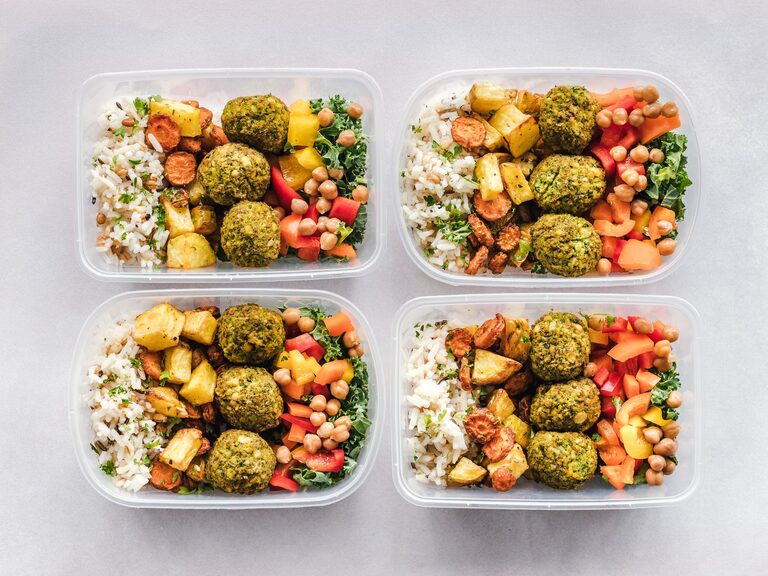
Transfer loose items or opened packages into clear containers or bins. This keeps items contained and visible, reducing the chance of forgotten food.
4. Label and Date Items
Use labels or masking tape to mark expiration dates or the date you opened leftovers. This simple system helps you keep track of freshness.
5. Maintain Proper Temperature
Set your fridge to between 35°F and 38°F (1.7°C – 3.3°C) to keep food fresh but prevent freezing.
6. Avoid Overcrowding
Don’t pack your fridge too tightly, as air needs to circulate to keep food cold evenly. Remove expired or spoiled items regularly.
How to Organize Your Pantry
1. Clear and Clean
Empty your pantry shelves and wipe them down. Dispose of expired or stale food.
2. Categorize Your Items
Group pantry items by type, such as:
– Baking supplies (flour, sugar, baking powder)
– Canned goods
– Pasta, rice, and grains
– Snacks
– Spices and seasonings
– Breakfast items (cereal, oats)
3. Use Storage Containers and Bins
Use airtight containers for cereals, grains, and snacks to keep them fresh and pest-free. Clear containers make it easier to see when supplies are running low.
Baskets or bins can hold small packets or related items, keeping shelves tidy.
4. Label Everything
Label containers and bins so everyone in the household can easily find and return items.
5. Implement First-In, First-Out (FIFO)
When restocking, place newly bought items behind older ones. This simple trick helps you use up older food first, cutting down on waste.
6. Optimize Shelf Space
Adjust shelf heights if possible to accommodate tall items or stack containers safely. Using shelf risers or turntables can maximize space and improve accessibility.
Additional Tips for Long-Term Maintenance
– Regularly check for expired items: Make it a habit to inspect your fridge and pantry weekly.
– Plan meals using your stored ingredients: This reduces impulse buying and helps use up what you have.
– Keep a running shopping list: Update it as you run out of essentials to avoid overbuying.
– Assign a spot for everything: Consistency helps everyone in the household maintain order.
– Use fridge and pantry mats: These liners catch spills and can be easily cleaned or replaced.
Conclusion
Maintaining a tidy fridge and pantry is achievable with consistent, simple habits. By cleaning regularly, grouping items logically, using storage solutions, and labeling containers, you can create an organized kitchen space that supports healthy eating and efficient cooking. Start with small changes today, and enjoy the benefits of a well-kept kitchen every day.
About the Author