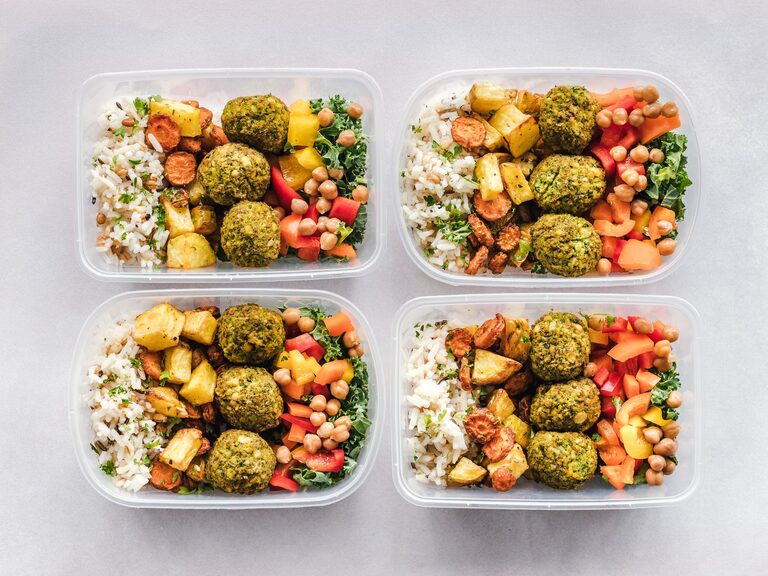
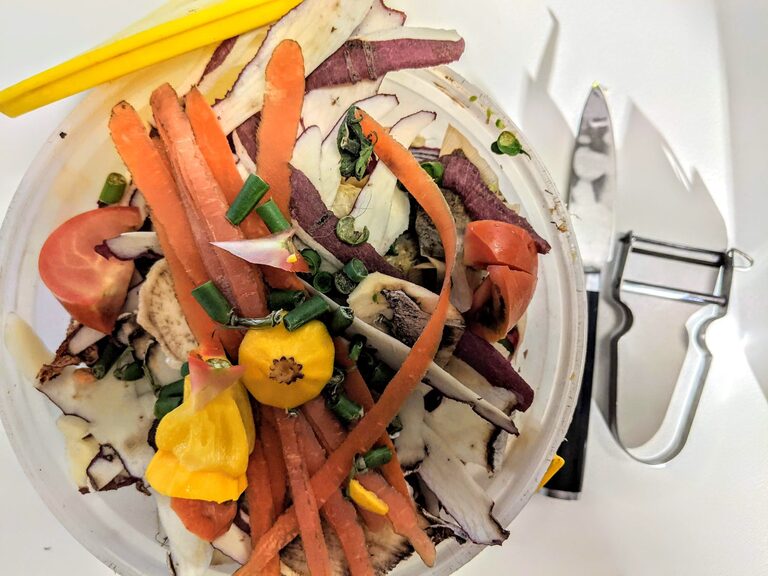
Reducing food waste at home is a win-win for both your wallet and the planet. On average, households throw away a significant amount of food that could have been eaten. By adopting a few smart habits, you can minimize waste, save money, and contribute to environmental conservation. Here are practical ways to get started.
Why Reducing Food Waste Matters
Food waste has a large environmental impact. When food is thrown away, all the energy, water, and resources used in producing, transporting, and packaging it are wasted as well. Moreover, decomposing food in landfills generates methane, a potent greenhouse gas. Reducing food waste helps conserve resources and reduces your carbon footprint.
Plan Your Meals and Shopping
Make a Weekly Meal Plan
Planning meals ahead of time helps you buy only what you need. Consider your schedule and decide what meals you want to prepare. Write a grocery list based on your plan to avoid impulse buys that may go unused.
Shop Smart
– Check what you have in your fridge and pantry before shopping.
– Buy loose produce so you can get exactly the amount you need.
– Choose items with longer shelf lives if you won’t use them immediately.
– Avoid bulk purchases of perishable items unless you’re sure to consume them.
Store Food Properly
Understand Shelf Life
Different foods require different storage methods to stay fresh longer. Learn how to store fruits, vegetables, dairy, and leftovers correctly.
Use Clear Containers
Transfer leftovers and opened packages to clear containers. This makes food more visible and encourages you to use it before it spoils.
Keep a “First In, First Out” System
Organize your fridge and pantry so older items are in front and new purchases go to the back. This simple habit ensures you use items before they expire.
Get Creative with Leftovers
Reinvent Leftovers
Transform leftovers into new meals, such as:
– Turn roast veggies into soup.
– Use stale bread for croutons or bread pudding.
– Make smoothies with overripe fruit.
Freeze for Later
Many cooked dishes and baked goods freeze well. Portion and store them for busy days when cooking isn’t an option.
Compost Food Scraps
Composting is an excellent way to reduce food waste and create nutrient-rich soil for gardening. You can compost:
– Fruit and vegetable peels
– Coffee grounds and tea bags
– Eggshells
Avoid composting meat, dairy, and oily foods to prevent odors and pests. If you don’t have a garden, many communities offer composting programs or drop-off sites.
Use Technology to Help
There are several apps designed to help track food inventory, suggest recipes based on what you have, and remind you of expiration dates. These tools can make managing food easier and reduce waste.
Educate Your Household
Involve everyone in the home by explaining why reducing food waste matters. Encourage mindful eating habits and make it a team effort to use food wisely.
Donate Excess Food
If you find you have surplus non-perishable items or unopened packaged goods, consider donating them to local food banks or shelters. This helps those in need and prevents good food from being discarded.
Final Thoughts
Reducing food waste at home is not about perfection but progress. Start small by planning meals better, storing food properly, and getting creative with leftovers. Over time, these habits will become part of your routine, leading to less waste, more savings, and a positive impact on the environment.
Try implementing one or two of these tips each week and watch how they contribute to a more sustainable and efficient kitchen. Every bit counts!
About the Author