
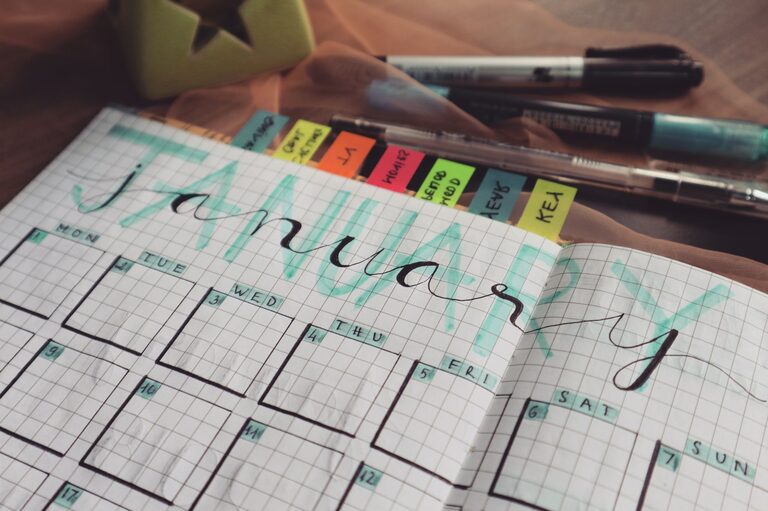
Taking time off to unwind is essential for maintaining a balanced and healthy lifestyle. However, weekends often become packed with chores, social obligations, or last-minute errands, turning what should be a restful break into a stressful experience. Planning a no-stress weekend can help you fully recharge and return to your routine refreshed. Here’s how to create a peaceful, enjoyable weekend.
Why Plan a No-Stress Weekend?
Weekends offer a valuable chance to step away from work and daily responsibilities. When you plan your time intentionally, you reduce the chances of feeling overwhelmed or rushed. Instead, you create space for relaxation, hobbies, and quality time with loved ones. This approach helps to lower anxiety, improve mood, and boost overall well-being.
Step 1: Set Clear Intentions
Before the weekend arrives, take a few minutes to think about what you want from this break.
– Decide what “no-stress” means to you—whether it’s complete rest, spending time outdoors, or catching up on personal projects.
– Write down your goals to remind yourself of the purpose.
– Avoid overloading your schedule; prioritize activities that bring you peace.
Step 2: Lighten Your To-Do List
A long to-do list can quickly turn weekends into a checklist race.
– Identify urgent tasks that genuinely need attention.
– Delegate or postpone non-essential chores.
– Choose one or two manageable things to complete to prevent buildup during the week.
Step 3: Plan Relaxing Activities
Incorporate low-pressure, enjoyable activities that promote calmness.
Ideas for Relaxing Weekend Activities:
– Reading: Dive into a book or magazine that interests you.
– Nature Walks: Spend time in a park or nearby natural setting.
– Mindfulness: Practice meditation or deep breathing exercises.
– Creative Hobbies: Draw, write, knit, or try cooking a new recipe.
– Social Time: Meet close friends or family without a strict agenda.
Step 4: Create a Comfortable Environment
Your surroundings can influence your mood and stress levels.
– Tidy up your living space to avoid distractions.
– Use calming scents like lavender or eucalyptus.
– Play soft music or nature sounds.
– Set up a cozy nook for relaxation.
Step 5: Disconnect from Work and Technology
Constant notifications and emails can add stress even during downtime.
– Set boundaries by turning off work devices and notifications.
– Limit social media use to prevent information overload.
– Consider designating specific times to check messages.
Step 6: Prioritize Self-Care
Self-care is essential to a no-stress weekend.
– Get enough sleep by maintaining a consistent bedtime.
– Eat nourishing meals without rushing.
– Take a warm bath or practice gentle stretching.
– Hydrate well and listen to your body’s needs.
Step 7: Allow Flexibility
Even with a plan, it’s important to stay flexible.
– Give yourself permission to change plans based on how you feel.
– Don’t pressure yourself to be productive every moment.
– Embrace spontaneous moments of joy or rest.
Sample No-Stress Weekend Schedule
Here’s a simple example to inspire your own plan:
Saturday
– Morning: Gentle yoga or stretching, healthy breakfast
– Late morning: Visit a local park or take a walk
– Afternoon: Read a book or work on a creative project
– Evening: Prepare a favorite dinner, watch a comforting movie
Sunday
– Morning: Sleep in or meditate
– Late morning: Tidy living space softly and briefly
– Afternoon: Call a close friend or family member
– Evening: Early dinner, calming bath, and wind down for bed
Final Thoughts
Planning a no-stress weekend is about creating space for yourself without pressure or rigid schedules. By setting intentions, simplifying tasks, and prioritizing relaxation, you’ll experience a more fulfilling and restful break. Remember, the goal is to enjoy the moment and recharge, so be kind and patient with yourself. With a little planning, your weekend can become a peaceful oasis in a busy world.
About the Author