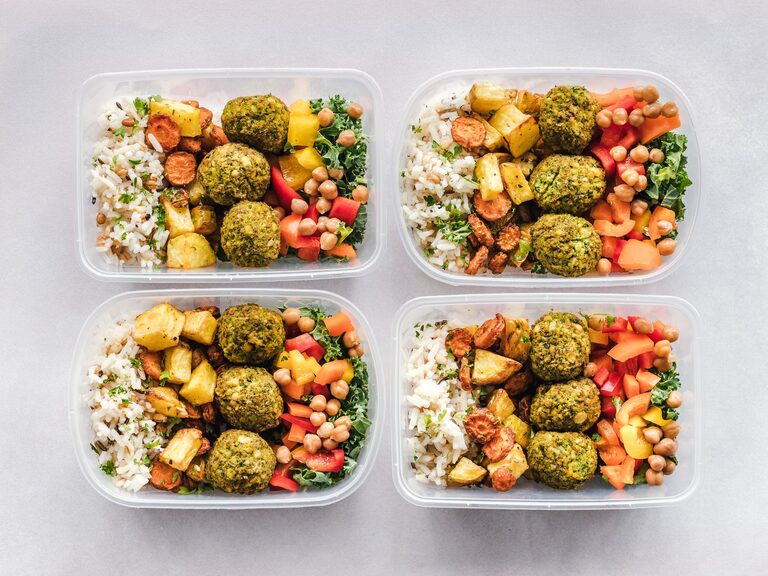
When life gets busy, planning meals can feel overwhelming, especially if you’re low on fresh ingredients. Luckily, with a well-stocked pantry and a bit of planning, you can prepare tasty and nutritious meals without a full grocery run. Pantry staples are versatile ingredients like canned goods, dried grains, and spices that form the foundation for countless dishes.
In this post, we’ll explore how to plan meals from pantry staples effectively. From organizing your pantry, deciding what to keep on hand, to crafting simple and creative recipes, you’ll gain confidence in turning basic ingredients into satisfying meals.
Why Plan Meals from Pantry Staples?
Relying on pantry staples offers several benefits:
– Saves time: No need for last-minute grocery store trips.
– Reduces food waste: Use what you already have before buying more.
– Cuts costs: Pantry staples are often affordable and have a long shelf life.
– Encourages creativity: Mix and match ingredients to keep meals interesting.
Building a Well-Stocked Pantry
Before you start planning meals, ensure your pantry is stocked with versatile basics. Here’s a list of common pantry staples to consider:
Grains and Legumes
– Rice (white, brown, or specialty varieties)
– Pasta (various shapes)
– Quinoa
– Lentils (red, green, or brown)
– Dried beans (black beans, chickpeas, kidney beans)
Canned and Jarred Goods
– Canned tomatoes (diced, crushed, or sauce)
– Coconut milk
– Canned beans
– Broth or stock (vegetable, chicken, or beef)
– Olives or pickles
Baking and Cooking Essentials
– Flour (all-purpose, whole wheat)
– Sugar (granulated, brown)
– Baking powder and baking soda
– Olive oil and vegetable oil
– Vinegars (white, apple cider, balsamic)
Spices and Herbs
– Salt and pepper
– Garlic powder and onion powder
– Paprika, chili powder, cumin, curry powder
– Dried oregano, basil, thyme, rosemary
– Bay leaves
Other Useful Items
– Nuts and seeds
– Nut butters
– Honey or maple syrup
– Soy sauce or tamari
Organizing Your Pantry for Easy Meal Planning
An organized pantry makes it easier to see what you have and what you can make. Here are some tips:
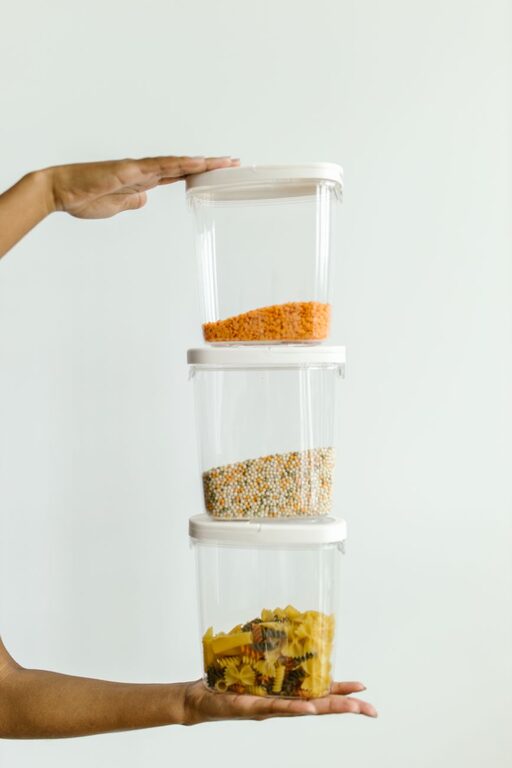
– Use clear containers or label your cans and jars.
– Group similar items together (e.g., baking supplies, grains, canned goods).
– Keep frequently used items at eye level.
– Rotate stock so older items are used first.
– Maintain a running inventory list to track supplies.
How to Plan Meals Around Pantry Ingredients
Step 1: Take Stock of What You Have
Start by reviewing your pantry inventory. Identify key ingredients and think about what meals they can form the base for. For example:
– Canned tomatoes + pasta + herbs = tomato pasta sauce
– Lentils + spices + vegetables = lentil stew or curry
– Rice + beans + salsa = a quick rice bowl
Step 2: Choose a Meal Framework
Use your pantry items to decide on a meal type. Here are a few ideas:
– Soups and stews: Use broth, canned tomatoes, beans, and spices.
– Pasta dishes: Combine pasta, canned tomato sauce, olives, and herbs.
– Grain bowls: Mix cooked rice or quinoa with beans, nuts, and a dressing.
– Stir-fries: Use oil, soy sauce, rice or noodles, and canned vegetables.
– Baked goods: Make bread, muffins, or pancakes with flour, baking powder, and sugar.
Step 3: Add Fresh or Frozen Elements (Optional)
If you have fresh or frozen vegetables, proteins, or herbs, add them to your pantry-based meals for extra flavor and nutrition. However, many pantry staples meals can stand alone or be paired with simple side salads or fruit.
Step 4: Plan for Variety
Avoid repetition by mixing ingredients and cuisines:
– Use spices like cumin and chili powder for Mexican-inspired dishes.
– Try curry powder and coconut milk for Indian or Thai flavors.
– Use oregano and basil for Italian meals.
Sample 3-Day Meal Plan Using Pantry Staples
Here’s an example of how you can use pantry staples to plan meals for a few days:
Day 1
– Lunch: Lentil and tomato soup (lentils, canned tomatoes, broth, onion powder, garlic powder)
– Dinner: Spaghetti with olive oil, garlic, canned tomatoes, and dried basil
Day 2
– Lunch: Rice and beans bowl with salsa, black beans, rice, chili powder
– Dinner: Coconut chickpea curry (canned chickpeas, coconut milk, curry powder, canned tomatoes)
Day 3
– Lunch: Tuna salad sandwich (canned tuna, mayonnaise, relish if available)
– Dinner: Vegetable stir-fry with soy sauce over quinoa or rice (use frozen or fresh veggies if available)
Tips for Successful Pantry Meal Planning
– Plan meals around similar ingredients: This minimizes waste and saves prep time.
– Batch cook: Prepare larger portions to have leftovers for lunches or dinners.
– Experiment: Don’t be afraid to try new spice combinations or recipes.
– Keep recipes simple: The goal is easy, satisfying meals, not complicated dishes.
– Use online resources: Many websites offer recipes specifically for pantry staples.
Conclusion
With a little organization and creativity, you can plan and prepare nourishing, delicious meals using pantry staples alone. This approach saves time, money, and stress, especially during busy weeks or when you want to avoid unnecessary trips to the store.
Start by stocking your pantry with versatile essentials, organizing your supplies, and exploring simple recipes. Over time, you’ll find that meal planning from pantry staples becomes second nature and a great way to keep your kitchen running smoothly. Happy cooking!
About the Author